FUT Hair Transplant in Miami: Strip Method Expertise
Miami Hair Institute’s FUT hair transplant in Miami is the preferred surgical approach for patients seeking maximum graft yield from a single session. Also known as a strip hair transplant, FUT depends on precision and experience and few surgeons bring more of either than Dr. Bernard Nusbaum, who has practiced strip-method hair restoration for over 50 years.
FUT (Follicular Unit Transplantation), often called the strip method, is one of two primary surgical techniques used in modern hair restoration. During FUT, a thin strip of scalp is surgically removed from the back of the head, the donor area, where hair growth tends to be most permanent. Under high-powered microscopy, the surgical team dissects this strip into individual follicular units, each containing one to four hairs, before transplanting them into thinning or balding areas.
Because the donor strip is removed as a single piece, FUT leaves a fine linear scar in the donor area, concealed by surrounding hair. This differs from an FUE hair transplant, which extracts follicles individually and leaves no linear scar. Many patients researching FUE vs. FUT hair transplant options in Miami start here to understand the strip method specifically before comparing approaches.
FUT at Miami Hair Institute
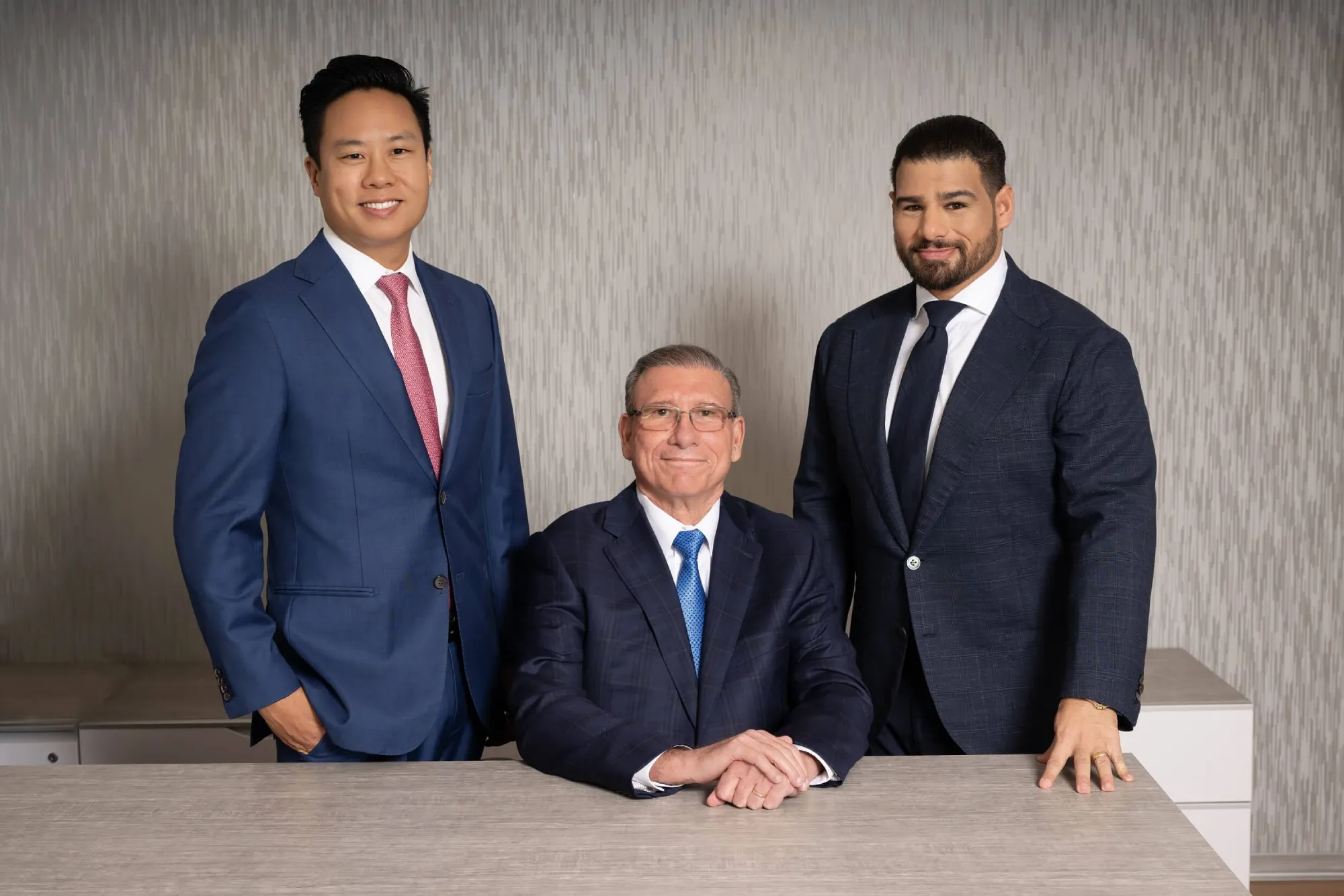
Miami Hair Institute has built its reputation for surgical hair restoration around the strip method. Dr. Bernard Nusbaum, M.D., has dedicated more than 50 years to hair transplant surgery, with FUT as a specific area of technical mastery from moderate restorations to the large-scale sessions required for advanced hair loss.
Every donor strip is processed by a dedicated dissection team trained in microscopic graft preparation, a step that directly affects graft survival and result density. Grafts are kept in a controlled preservation solution under a strict time protocol from harvest to placement, minimizing time outside the body. This surgeon-led process is why patients evaluating a hair transplant for advanced hair loss in Miami are frequently referred to Miami Hair Institute for FUT specifically.
Who Is the Best Candidate for FUT?
FUT is not the right approach for every patient, but it is often the best option for:
Patients with significant hair loss (Norwood V–VII) requiring a large volume of grafts in one session
Patients who wear their hair at a longer length, which conceals the donor area’s linear scar
Patients needing 2,000+ grafts, where FUT offers an efficient path to maximum graft yield
Patients with strong donor density, allowing surgeons to harvest a wider strip without over-thinning the donor area
Because every scalp and hair loss pattern is different, candidacy for FUT is always confirmed during a personalized, in-person consultation with the surgeon, never by a general online assessment.
The FUT Procedure: Step by Step
An FUT procedure at Miami Hair Institute follows a consistent, surgeon-guided process:
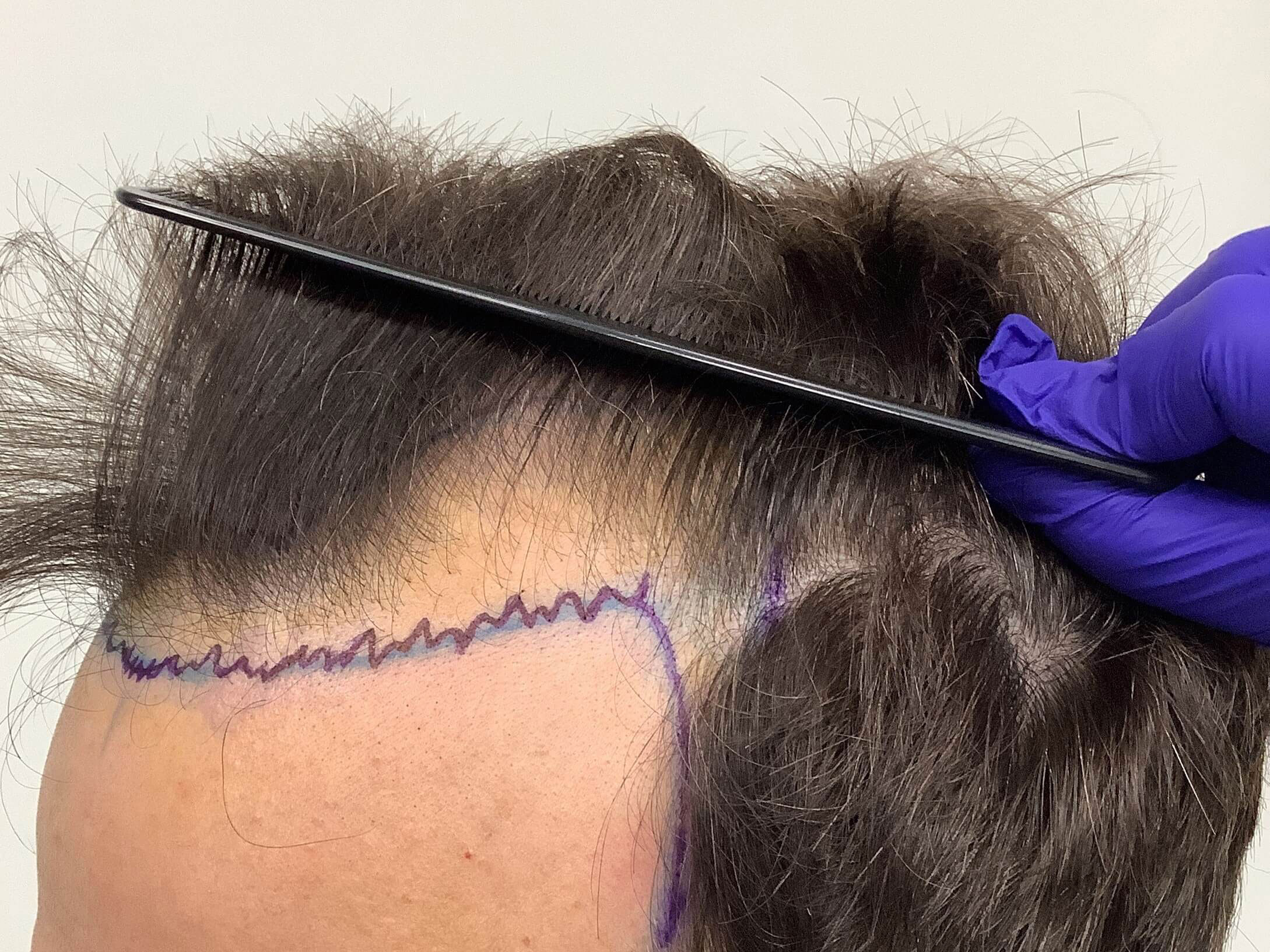
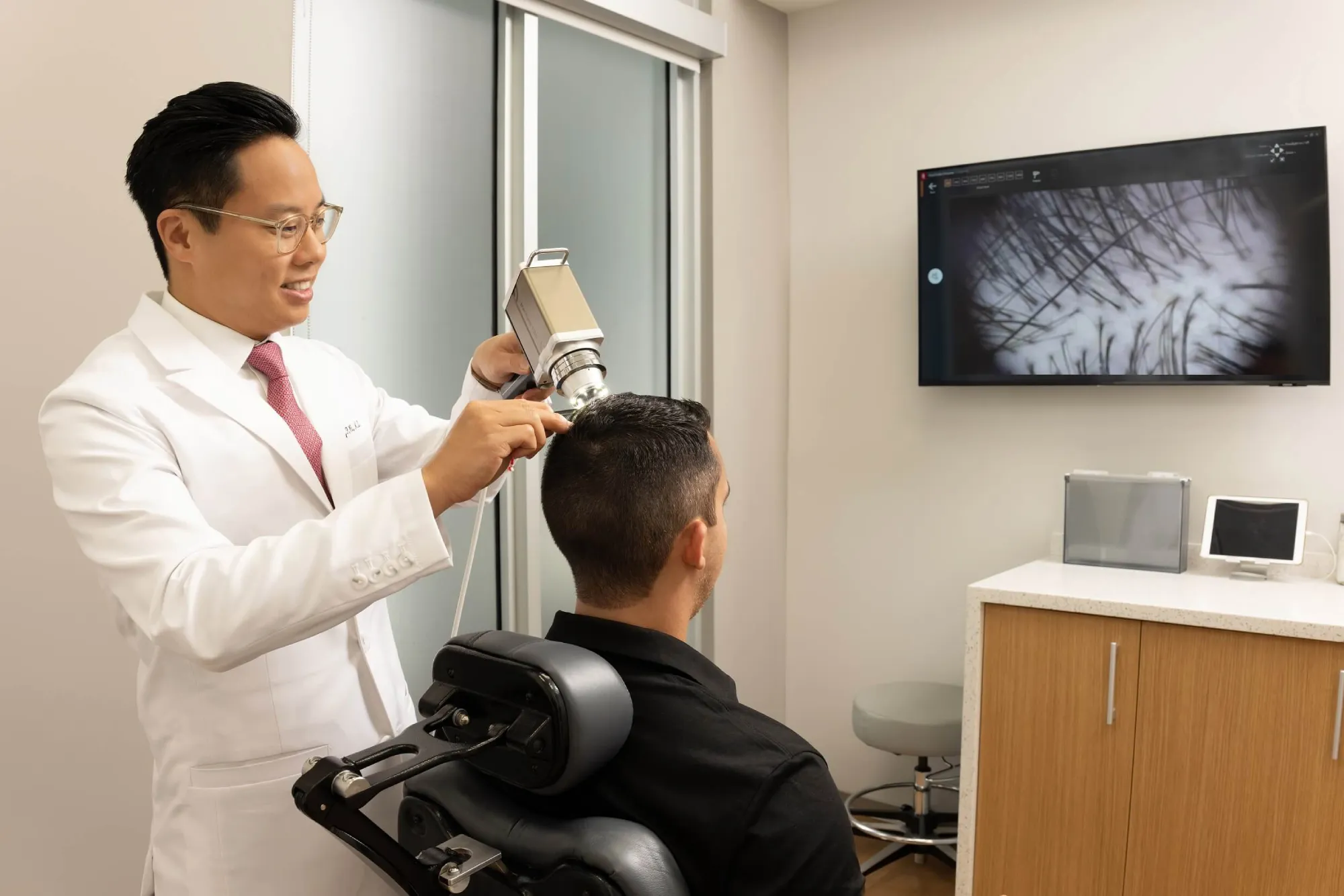
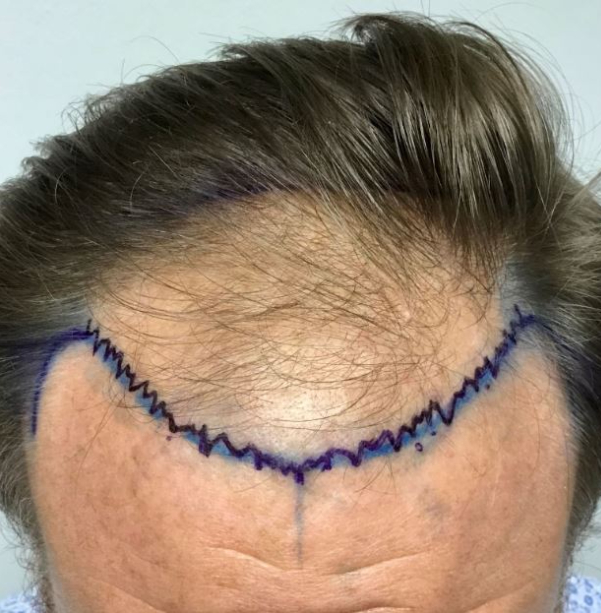
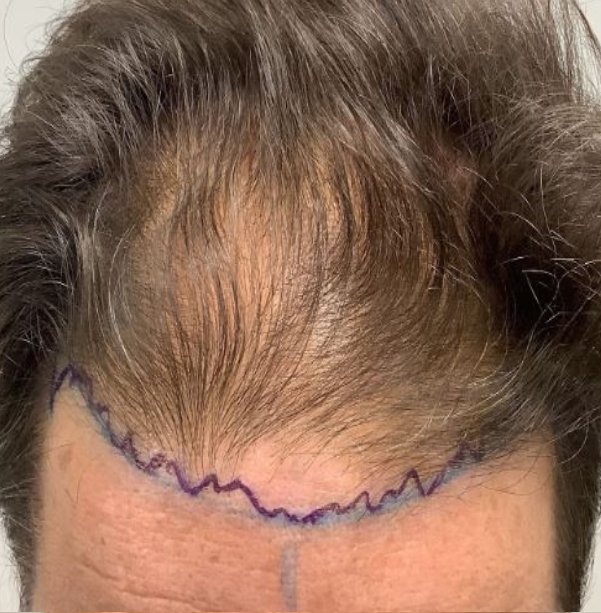
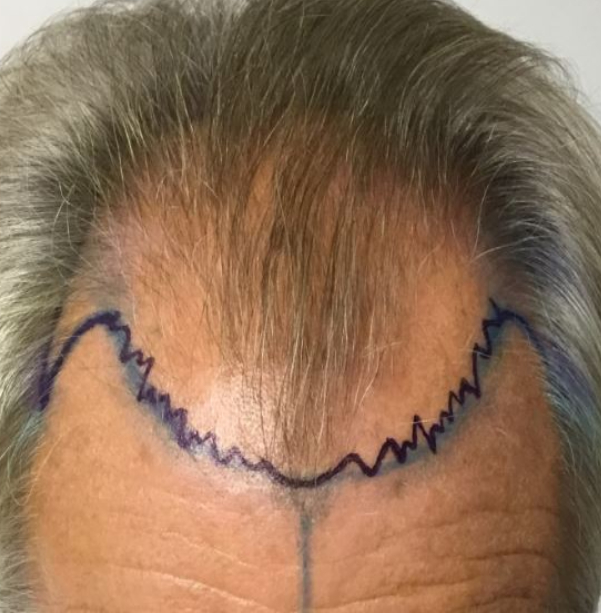
Consultation and hairline design — the surgeon evaluates hair loss pattern, donor density, and goals, then designs a natural hairline.
Donor strip harvesting — performed in-office under local anesthesia.
Microscopic graft dissection — Our surgical team separates the strip into individual follicular units under high-powered microscopy.
Recipient site creation — the surgeon creates precise recipient sites that determine the angle and density of new growth.
Graft placement — follicular units are placed into the recipient sites, completing the session in a single office visit.
The entire procedure takes place in-office under local anesthesia, with the skill of our dissection team serving as a key quality differentiator.
FUT Recovery and Results Timeline
Recovery from FUT follows a predictable timeline. In the first week, the donor area’s suture site should be kept clean, and rest is recommended. Sutures are typically removed around week two. Some shedding of the transplanted hair between weeks two and four is normal part of the natural growth cycle, not lost progress. New growth typically starts between months three and six, with full results visible around twelve months.
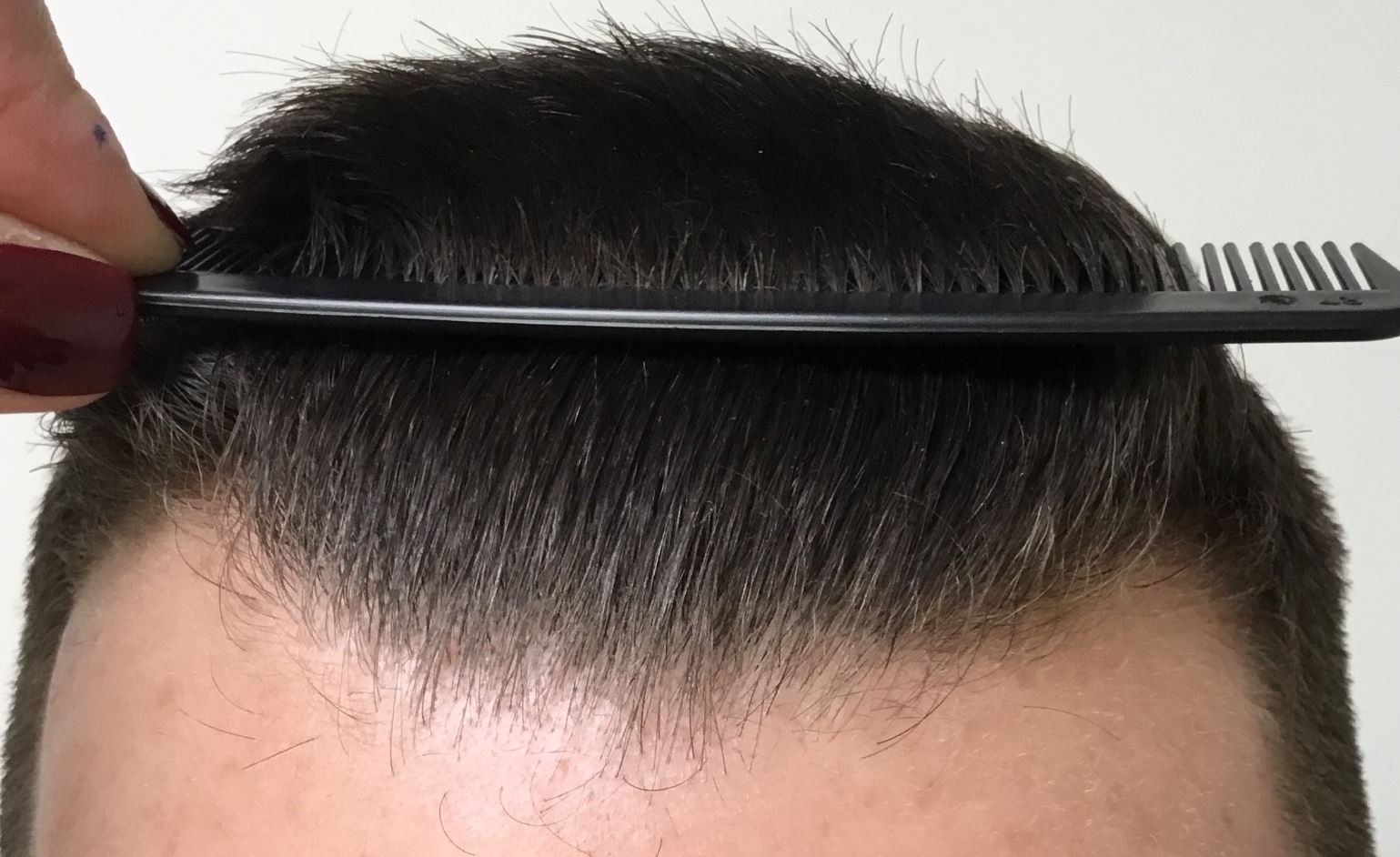
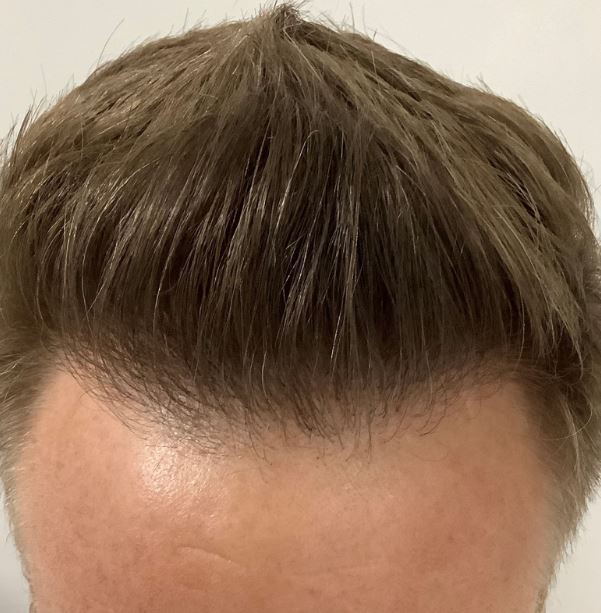
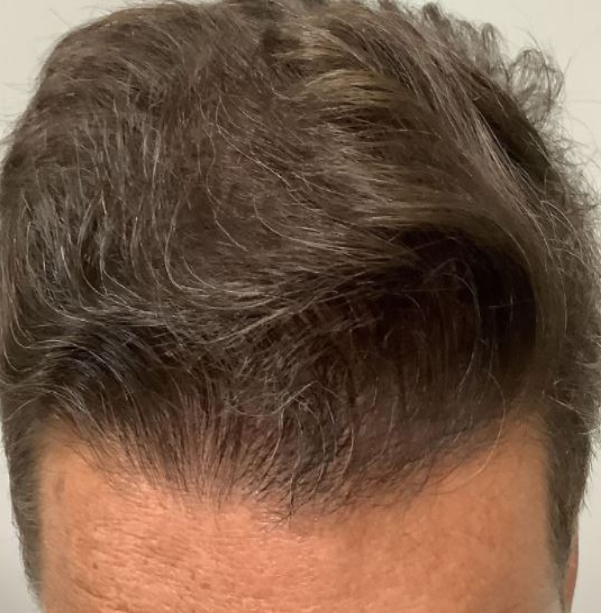
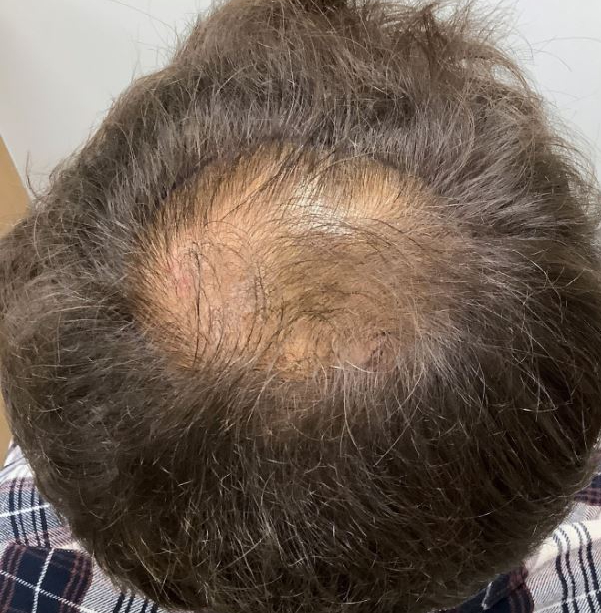
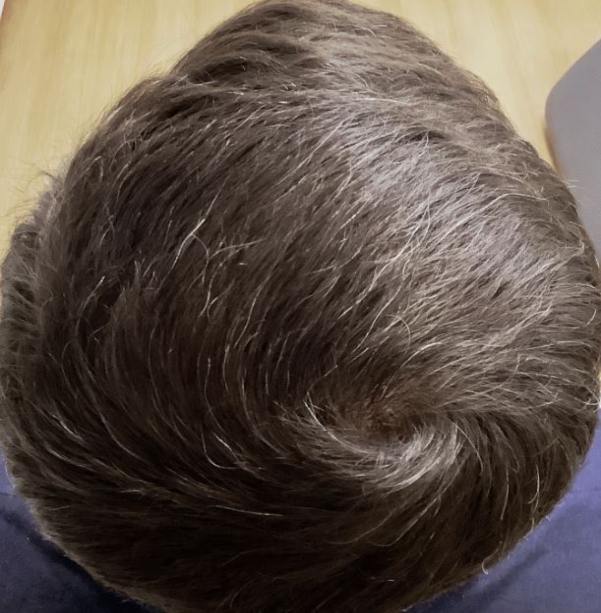
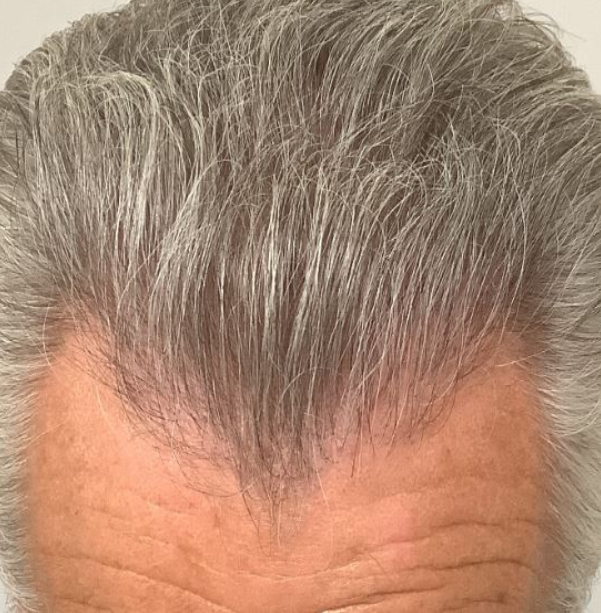
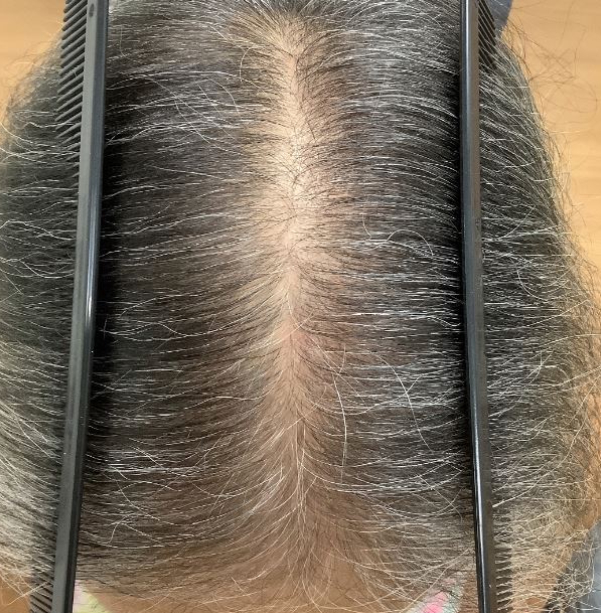
A fine linear scar in the donor area is expected and typically concealed by surrounding hair. MHI uses trichophytic closure to minimize scar appearance, allowing hair to grow through the incision line itself over time. Patients concerned about visible scarring can also discuss scar revision options at consultation. View FUT before and after results to see real outcomes.
FUT vs. FUE : Choosing the Right Approach
FUT and FUE are both effective hair restoration techniques, and the right choice depends on your goals, hair loss pattern, and donor characteristics. FUT typically delivers a higher graft yield in a single session and is often recommended for more extensive hair loss. FUE avoids a linear scar and generally allows a faster return to short hairstyles, but may require multiple sessions for large-scale restoration.
Rather than choosing based on marketing alone, compare FUT and FUE and discuss your case directly with Miami Hair Institute surgeons. Our surgeons will recommend the approach best suited to your goals.
Ready to Move Forward?
Miami Hair Institute is trusted by patients nationwide, with 140+ reviews and a 4.9-star average, backed by more than 50 years of combined surgical experience. If a FUT hair transplant in Miami is the right fit for your restoration goals, schedule your FUT consultation or call (305) 925-0222.