
Finding a Hair Transplant Surgeon You Can Trust
If you are considering hair restoration, you already know that the loss of hair can impact your personal, social, and professional life. Hair loss changes how you look, but it…


If you are considering hair restoration, you already know that the loss of hair can impact your personal, social, and professional life. Hair loss changes how you look, but it…

Perhaps you are part of the two-thirds of all men who experience male pattern baldness. Or, maybe you are one of the 20 million women who suffers with hair thinning…

Dr. Paul Rose, M.D., is one of the Hair Transplant Institute’s foremost hair transplant surgeons. Dr. Rose has more than 20 years of experience and is the recipient of numerous…
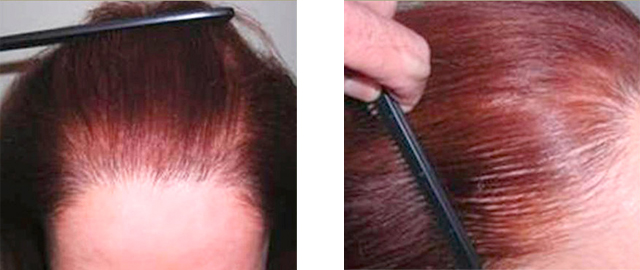
 Hair loss in women is more common than many may think, amounting to nearly 20 million females in America alone. Most women do not notice signs of thinning or balding in their hair until the age of 50 or 60, long after it has already begun. It may take women much longer to notice the signs of hair loss compared to men because they tend to wear their hair longer, effectively hiding telltale symptoms of hair loss for many years. Women also lose hair across the entire top of the head, in contrast to men who typically lose hair in concentrated areas like the crown or temple. This wider, more dispersed pattern of hair loss adds to the difficulty of early detection.
Yet it is early detection, evaluation, and treatment that are the 3 keys to effectively treating hair loss in women. Early detection is perhaps most important, as hair loss is most effectively treated during the early stages of development. For this reason, it is important that women learn to recognize the signs of hair loss while also performing regular self-examinations to ensure symptoms are caught as soon as they become visible.
Female hair loss manifests itself in a variety of ways; learning to recognize the signs of thinning or balding is the best way to diagnose and treat the condition early, which ultimate creates better results. The most common signs to look for include the following:
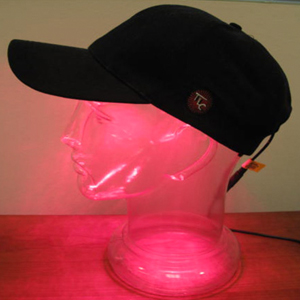
Hair restoration procedures are increasing in popularity among both men and women who desire a greater sense of overall health and well-being. Long gone are the days of unsightly hair plugs—new procedures and sophisticated technologies are now available to create natural looking results that last. Today, men and women of all ages understand that it’s never too late to look their best, and they are taking advantage by pursuing effective hair restoration procedures that add youthful confidence to everyday life. Laser hair therapy is the newest of these procedures, offering patients a means of stimulating natural hair growth through low level laser technologies that are safe, convenient, and painless.
To understand laser hair therapy, it is helpful to first understand the concept behind ordinary hair transplant procedures. Hair transplant procedures are highly effective for both men and women who suffer with hair loss. Restoration typically involves transplanting real hair, referred to as the donor dominant hair, from one area of the patient’s scalp to the restoration site, or the area of the scalp that is thinning or balding. It is important for prospective patients to know that donor dominant hair is carefully selected based on its ability to continually grow throughout their lifetime. This ensures that hair is taken from an area that is at low-risk for future thinning or balding. Donor dominant hair is then transplanted to the restoration site with needles that compare in size to those used by wellness spas and acupuncturists. All in all, the pain associated with a hair restoration procedure is minimal and compares to that of a typical visit to the dentist.
However, not all individuals are candidates for a hair transplant procedure, and countless others prefer to avoid prescription hair loss medications altogether. For those individuals, laser hair therapy is a new option that effectively stimulates natural hair growth.

 At the Hair Transplant Institute of Miami, we have developed the most comprehensive approach for evaluating and treating hair loss in both men and women. Located in the Offices of Merrick Park, our state-of-the-art facility provides our patients with the very latest in comprehensive hair loss evaluations and treatments. Our practice is led by Dr. Nusbaum and Dr. Rose, two highly skilled surgeons who have extensive experience in medical hair loss therapy and research. Both Dr. Nusbaum and Dr. Rose are Board Certified in Dermatology, the only medical field with certified specialty residency training in hair loss and scalp diseases.
We are pleased to offer two highly effective hair transplant procedures: The Strip Donor Procedure, and Follicular Unit Transfer (FUT). Both procedures are highly effective in creating a fuller, natural looking head of hair for both men and women. We are also pleased to offer the latest technologies and transplant techniques, ensuring the best possible outcome for our patients. Two examples of hair transplant techniques you will not find anywhere else include: